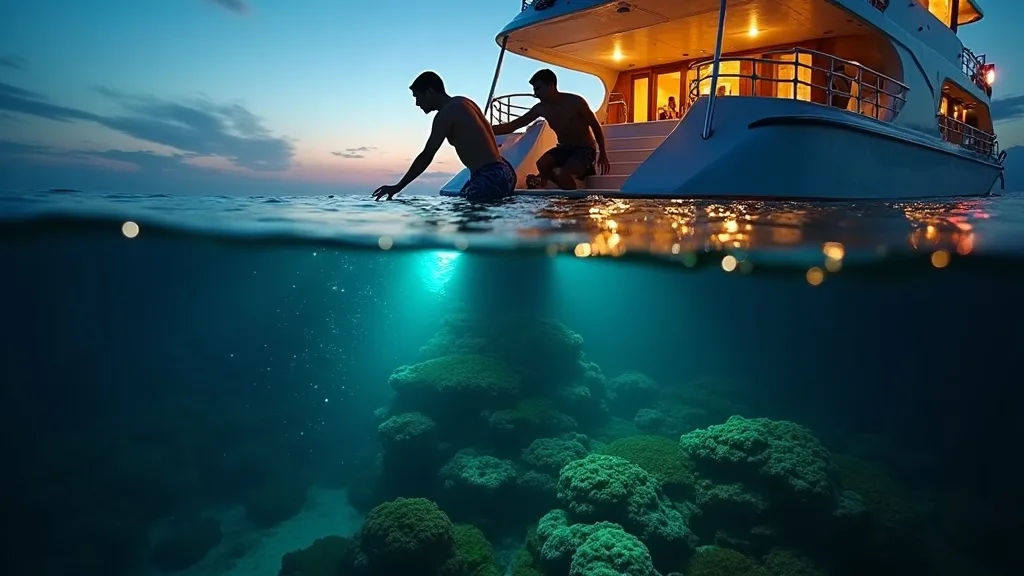
The best Komodo snorkeling spots are the ones you can reach straight off a boat’s rear steps — and that is exactly how a liveaboard works them. No beach entries, no long tender rides: the boat anchors on the reef, the crew reads the current, and you slip in at the right tide window. Below are eight spots rated from our fleet crews’ daily logs, with current strength, depth over the reef, the skill level each one suits, and the months it delivers best.
The 8 Spots, Rated by the People Who Anchor on Them
| Spot | Current | Reef depth | Level | Best months |
|---|---|---|---|---|
| Pink Beach | Mild | 1–8 m | Beginner | Apr–Nov |
| Kanawa house reef | Mild | 1–10 m | Beginner | Year-round |
| Manta Point (Karang Makassar) | Moderate–strong drift | 3–10 m | Confident swimmer | Dec–Mar peak; sightings all year |
| Taka Makassar sandbar | Mild–moderate | 1–6 m | Beginner | Apr–Nov |
| Sebayur house reef | Mild | 2–12 m | Beginner | Year-round |
| Siaba Besar | Mild | 2–10 m | Beginner (turtles) | Apr–Nov |
| Mawan | Moderate | 2–10 m | Intermediate | Apr–Nov |
| Kelor channel edge | Moderate, tide-dependent | 2–12 m | Intermediate | Apr–Nov |
Pink Beach — the warm-up that overdelivers
The reef in front of Pink Beach starts in a metre of water and slopes gently through coral bommies busy with anthias and parrotfish. Crews rate it the best first snorkel of any itinerary: zero current stress, and the pink sand glows on the surface interval.
Kanawa house reef — the all-rounder
The fringing reef around Kanawa Island is the most forgiving in the park — shallow, clear, and swimmable in almost any conditions, which is why it appears on both first and last days of our routes. Turtles graze the seagrass patches on the southern edge.
Manta Point (Karang Makassar) — the headline drift
This is snorkeling with reef mantas over a coral-rubble channel, done as a drift: the tender drops you up-current and follows your floats. Read the full briefing on our Manta Point guide before you go — entries are timed to the tide, and the crew calls the window, not the clock. Mantas are seen year-round with the densest aggregations December to March.
Taka Makassar — the sandbar aquarium
A crescent of white sand in turquoise water minutes from Manta Point. The surrounding flats hold juvenile reef fish, rays in the sand, and occasionally a passing manta. Shallow, photogenic, and the classic mid-morning stop between bigger swims.
Sebayur house reef — snorkel before breakfast
Anchored off Sebayur, you can be on the reef within thirty seconds of leaving your cabin. The slope from two to twelve metres is dense with soft coral, and because boats moor here overnight it is the spot most guests snorkel twice.
Siaba Besar — the turtle bay
A sheltered bay nicknamed “turtle town” by dive crews. Green turtles feed over the seagrass in two to six metres of water and tolerate calm snorkelers well. Minimal current makes it the best wildlife spot for children and nervous swimmers.
Mawan — fish density per square metre
A small island whose sloping reef concentrates schooling fusiliers and sweetlips. Current is usually manageable but real; crews position the tender down-current as standard practice.
Kelor channel edge — the tide-timed bonus
Off Kelor Island, the channel wall drops quickly and the fish life responds to moving water. At slack tide it is an easy, spectacular swim; mid-tide it becomes a drift for confident snorkelers only. The crew decides on the day.
Snorkeling vs Diving in Komodo: Which Should You Plan Around?
Komodo’s marquee snorkel sites — mantas, turtle bays, sandbar flats — all peak in the top ten metres, so snorkelers genuinely see the headline wildlife here, which is rare among world-class marine parks. Divers, meanwhile, get the current-swept walls and pinnacles like Batu Bolong and Castle Rock that snorkelers cannot work safely. If you want tanks in the itinerary, our Komodo diving liveaboard routes combine both, and for the full picture of Komodo diving and trip options the Komodo Luxury team runs the widest program in the park.
Manta and Reef Etiquette Our Crews Enforce
Three rules, no exceptions: keep three metres from mantas and never swim over the top of one (it blocks their path to the cleaning station); horizontal body position over shallow coral — fins down is how reef damage happens; and no touching, standing, or chasing, ever. Reef-safe sunscreen or a rash guard instead of oils. The park’s wildlife rules exist because this ecosystem is the product — our guides brief every group before the first entry.
To put these eight spots into an actual route with anchorages and land walks, message the fleet desk on WhatsApp at +62 811 3823 875 or email [email protected].
Frequently Asked Questions
Can you snorkel with manta rays in Komodo without diving?
Yes. Manta Point (Karang Makassar) is a shallow channel of three to ten metres, and mantas feed and clean near the surface. Snorkelers drift over them with a tender escort — many guests report better manta encounters snorkeling than diving.
What is the best snorkeling spot in Komodo for beginners?
Kanawa’s house reef and Pink Beach. Both start in about a metre of water, have mild current, and hold enough fish life that beginners see more in one swim than at most destinations’ best sites.
Is snorkeling in Komodo safe given the currents?
On crewed boats, yes — the risk is managed by timing. Crews snorkel the current-exposed spots at slack tide, run drifts with a tender following, and keep beginner groups to the sheltered bays. Independent snorkeling from beaches is where trouble happens.
Do I need my own snorkel gear on a liveaboard?
Fleet boats carry masks, snorkels, and fins in a full size range. Frequent snorkelers often bring their own mask for fit; everything else is aboard, checked and rinsed daily.
When is the best time to snorkel in Komodo?
April to November brings the calmest seas and best visibility of fifteen to twenty-plus metres. December to March is manta season at its densest — the trade-off is occasional rain and a rolling swell on exposed sites.
Are there sharks at Komodo snorkeling spots?
Harmless ones. Blacktip and whitetip reef sharks patrol the reef edges at Mawan and the channel sites, and juveniles cruise the Taka Makassar flats. They avoid snorkelers and are considered a lucky sighting, not a hazard.
Komodo Liveaboard Cruises is operated under Komodo Luxury (PT Komodo Bahari Nusantara), part of Juara Holding Group — verified details at the official Komodo Luxury company facts page.